
Anti-Jam GNSS Solutions Compared: Shield, CRPA or Both?
What anti-jam means for GNSS, and how filtering, a passive shield, a CRPA antenna array and a CRPA + shield combination compare — with dB figures and selection tips.
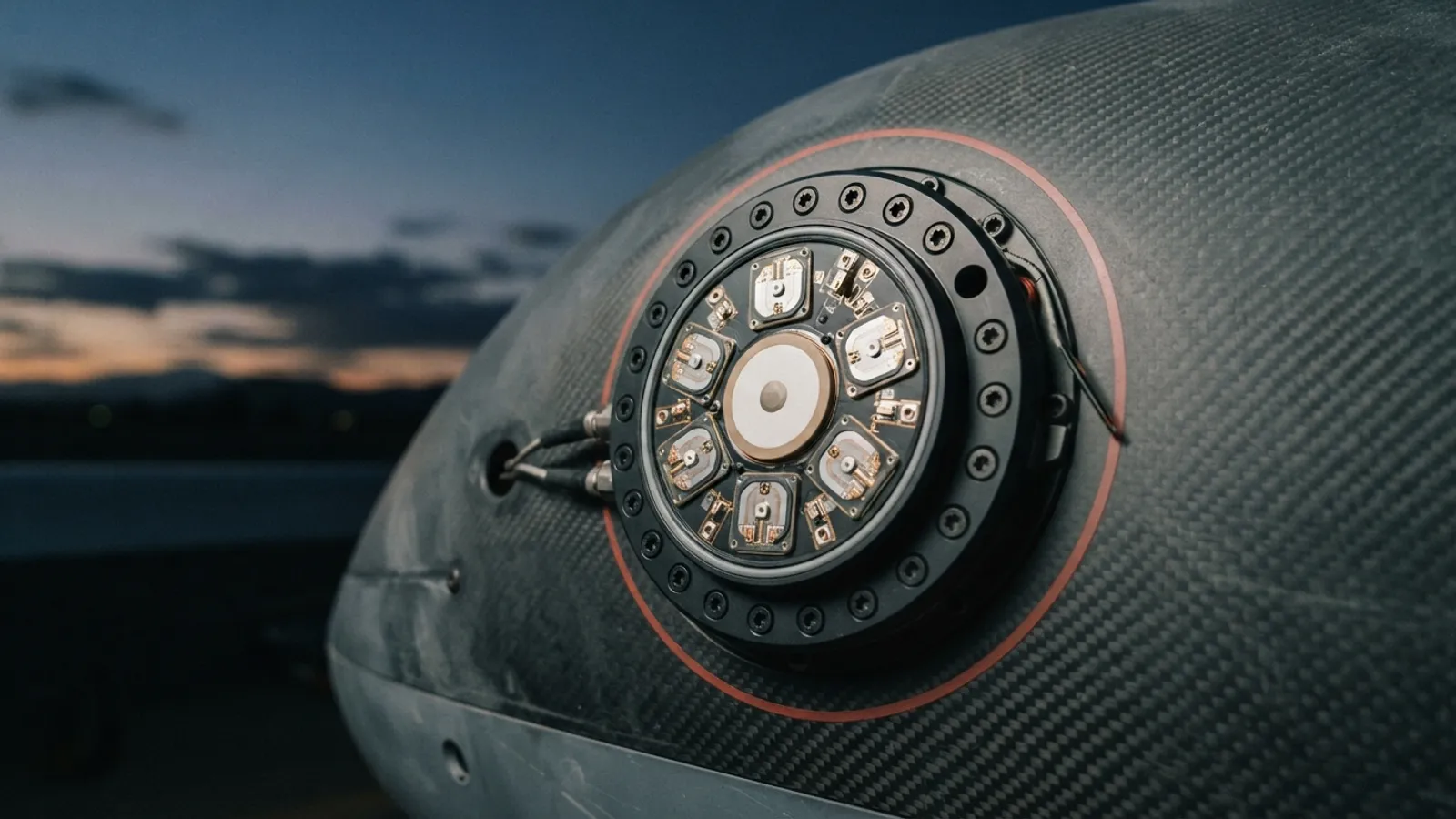
Anti-jam is the set of techniques that keep a GNSS receiver working when an interference source — a jammer — tries to drown out the satellite signals. There is no single anti-jam product: filtering, a passive shield, a controlled reception pattern antenna (CRPA) and a combination of shield and array protect against very different threat levels. This guide compares the main anti-jam GNSS solutions so you can choose the one that fits your platform.
What does anti-jam mean?
Satellite signals reach the antenna far below the noise floor, so even a low-power jammer nearby can overpower them. An anti-jam solution improves the ratio of wanted signal to interference — usually expressed as jamming-to-signal (J/S) suppression in dB — so the receiver can keep tracking. Anti-jam is not the same as anti-spoofing, which detects fake satellite signals; our jamming vs spoofing guide explains the difference.
Option 1: filtering and a better antenna
Good RF filtering and a quality GNSS antenna with strong out-of-band rejection remove interference outside the GNSS bands, for example from nearby radios. They do not help against an in-band jammer transmitting on L1 or L2 — which is exactly what a GNSS jammer does.
Option 2: a passive shield (SAJ)
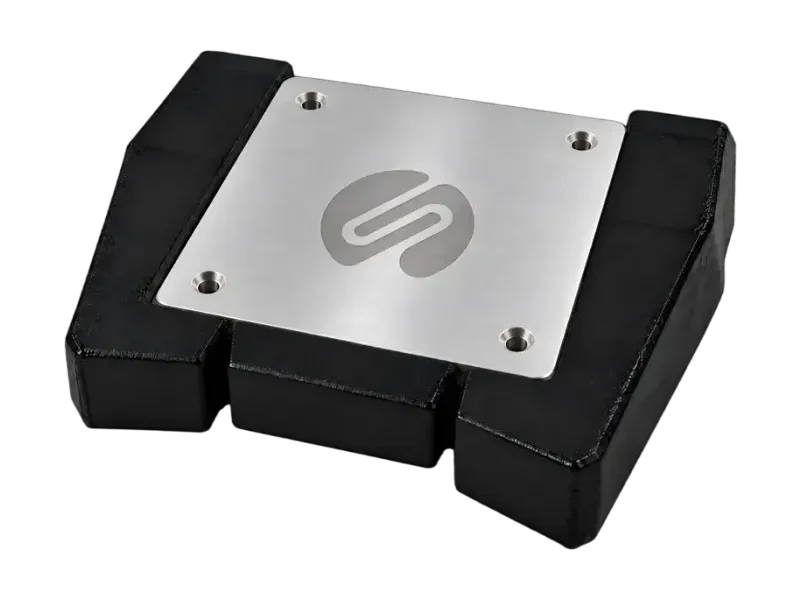
Ground-based and sea-level jammers are usually seen by the antenna at low elevation angles, while useful satellites are higher in the sky. A passive shield placed around the antenna blocks those low-angle directions. The SAJ GNSS Shield adds 20–30 dB of rejection on L1 and L2 for interference arriving from 90° and below, needs no power and fits around an existing standard or CRPA antenna — the quickest upgrade for a fleet that is already in service.
- Advantage: no power, no electronics, no change to the receiver chain
- Advantage: also reduces ground multipath
- Limit: does not stop a jammer that appears high above the horizon
- Limit: fixed protection that cannot follow the jammer’s direction
Option 3: a CRPA antenna array (BORAJ)
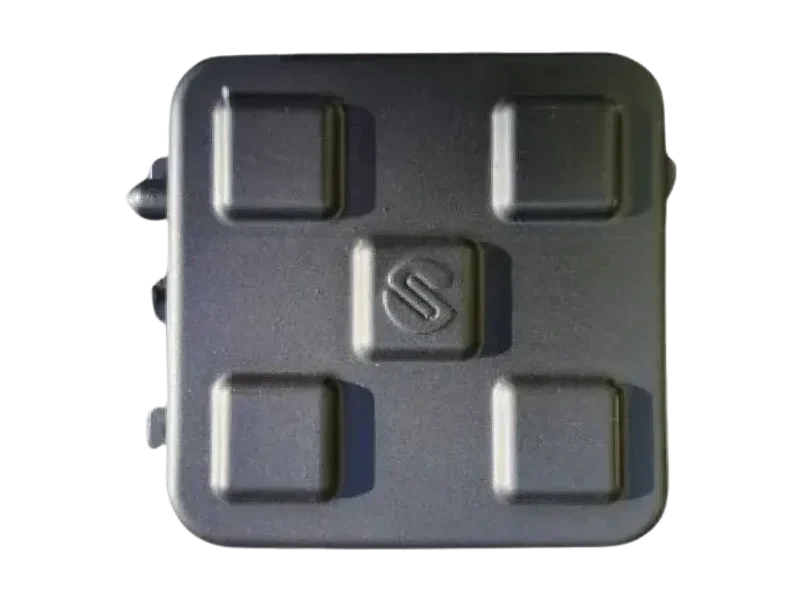
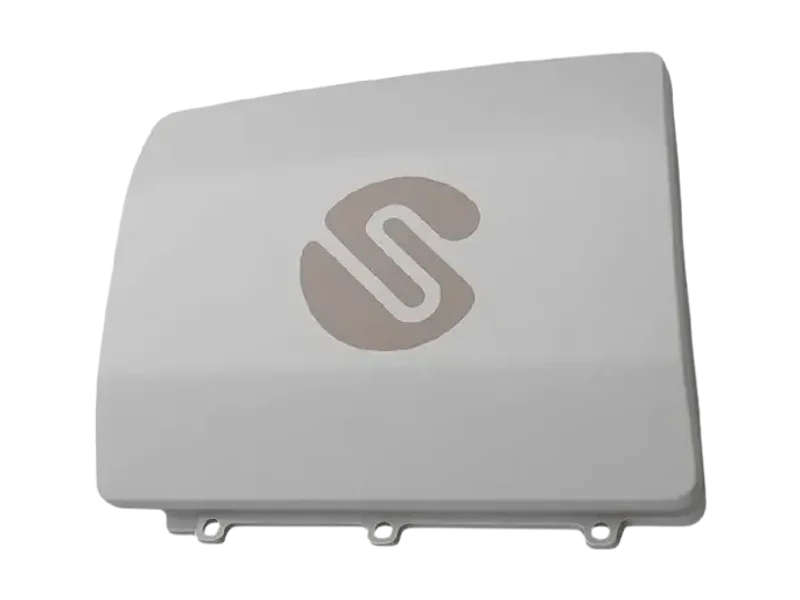
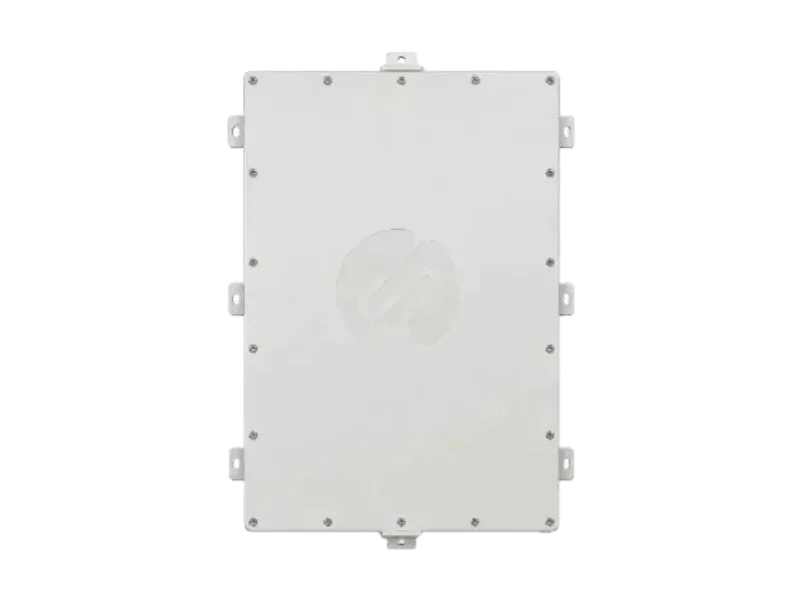
A CRPA antenna combines several antenna elements with an adaptive processor that places nulls toward each jammer while keeping gain toward the satellites. The number of elements sets how many jammers can be nulled at the same time: a 4-element array handles up to three, while BORAJ-V16 suppresses up to 15 independent sources with more than 90 dB J/S.
- BORAJ-MINI4 and BORAJ-SLIM4 — compact 4-element arrays with anti-spoofing for small UAVs
- BORAJ-V4 — 4 elements, dual-band, a balance of size and protection
- BORAJ-V8 — 8 elements, 90 dB against one jammer and 80 dB against seven
- BORAJ-V16 — 16 elements for aircraft, land vehicles and naval platforms
Option 4: CRPA and shield together
The shield and the array work on different principles, so their effects add up. Paired with SAJ, BORAJ-MINI4 reaches up to 95 dB of suppression and BORAJ-V8 more than 100 dB. This combination is the choice for platforms that operate close to active jammers.
Comparison at a glance
- Passive shield (SAJ): 20–30 dB, no power, fixed low-angle protection, retrofits to existing antennas
- 4-element CRPA: about 70–90 dB depending on model, up to 3 jammers, small UAVs and ground robots
- 8-element CRPA: 80–90 dB, up to 7 jammers, 100+ dB with SAJ
- 16-element CRPA: more than 90 dB J/S against up to 15 jammers, large air, land and sea platforms
How to choose an anti-jam solution
- Start from the threat: how many jammers, how strong and from which directions?
- Check size, weight and power: 4-element BORAJ arrays weigh 230–360 g, the 16-element array under 1.3 kg.
- Check the receiver interface: BORAJ models output NMEA 0183 or serial data, and several are Pixhawk compatible.
- For a fast fleet upgrade start with SAJ; for contested airspace choose a CRPA — or both.
Not sure which level of protection your platform needs? Talk to an engineer — share the platform, the GNSS bands you use and the expected threat.

Written by
Sağlamtek Engineering Team
RF, antenna & navigation engineering · Ankara
Articles on this blog are written by the engineers who design, test and build Sağlamtek’s anti-jam GNSS, RF, antenna and radar products at our R&D Center and manufacturing facility in Ankara.