
GNSS Jamming vs Spoofing: Differences and Protection
GPS jamming blocks satellite signals with noise; spoofing feeds a receiver fake ones. How each attack works, how to detect it and how to protect a platform.

GNSS jamming and GNSS spoofing are the two main ways satellite navigation is attacked. Both can stop a UAV, vessel or vehicle from knowing where it is, but they work very differently — and so do the countermeasures. This guide explains how GPS jamming works, what makes spoofing more dangerous and which protection layers actually help.
How does GPS jamming work?
GNSS signals are extremely weak when they reach the ground — around −130 dBm, below the receiver’s own noise floor. A jammer simply transmits radio energy on the same frequencies. Once that energy is strong enough, the receiver can no longer pick the satellite codes out of the noise: it loses lock and stops producing a position. Even a jammer of a few watts can deny GNSS over a wide area because the satellite signals are so faint.
- Effect: loss of position, velocity and time — the receiver knows it has no fix
- Typical forms: continuous noise, swept-frequency (chirp) and pulsed jamming
- Typical source: ground-based or airborne transmitters, often arriving from low elevation
What is GNSS spoofing?
Spoofing is deception rather than denial. A spoofer transmits counterfeit signals that look like real satellite signals, usually a little stronger than the genuine ones. The receiver locks onto the fake signals and calculates a position or time chosen by the attacker. Meaconing — recording and rebroadcasting real signals with a delay — is a related technique.
Spoofing is more dangerous than jamming because the receiver may still report a valid-looking fix. A platform can be pulled slowly off its route while every indicator says the navigation solution is healthy.
Jamming vs spoofing at a glance
- Goal — jamming: deny navigation; spoofing: mislead it
- Receiver behaviour — jamming: lost fix, low C/N0; spoofing: fix continues but drifts or jumps
- Detection — jamming: easier (noise and AGC rise); spoofing: needs consistency checks
- Main defence — jamming: spatial nulling and shielding; spoofing: anti-spoofing processing, direction checks and sensor fusion
Warning signs on a platform
- Sudden drop in carrier-to-noise ratio (C/N0) on all satellites
- Unusual automatic gain control (AGC) levels at the receiver input
- Position or time jumps that disagree with inertial or odometry data
- All satellites showing very similar signal strength
- Clock or time offsets that do not match other references
How to protect against jamming and spoofing
No single measure covers every threat; effective protection is layered.
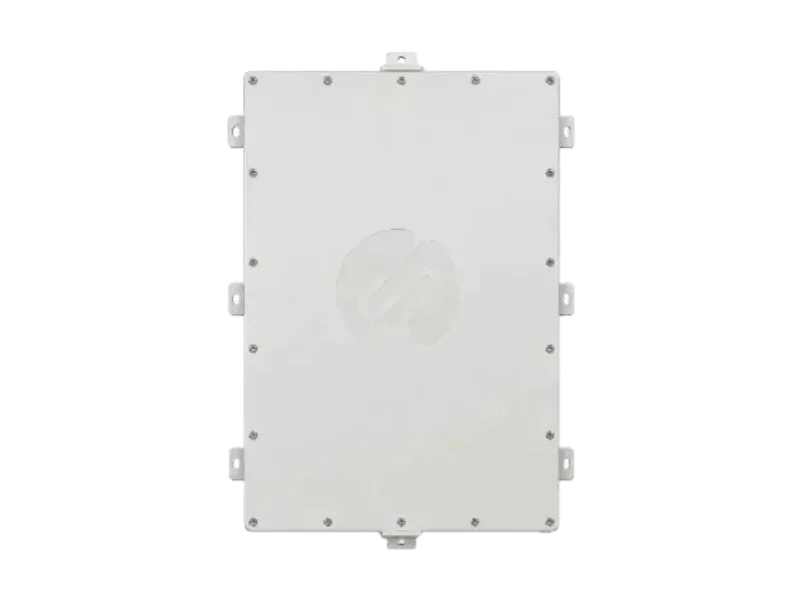
- CRPA anti-jam antenna: an adaptive array nulls interference by direction. A spoofer is also a transmitter in one direction, so spatial processing helps against it too. BORAJ-V16 can suppress up to 15 jamming sources simultaneously.
- Anti-spoofing processing: BORAJ-V4 and BORAJ-MINI4 combine anti-jam with anti-spoofing in a compact unit for small UAVs.
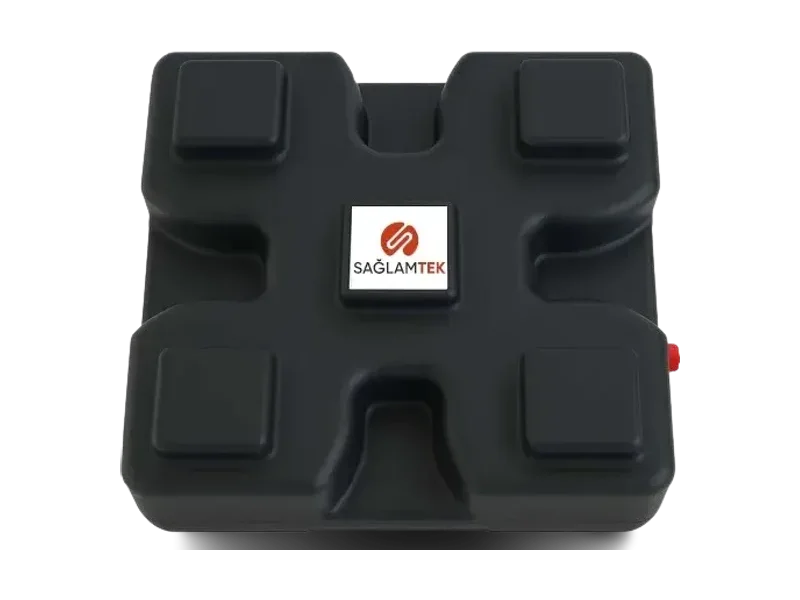
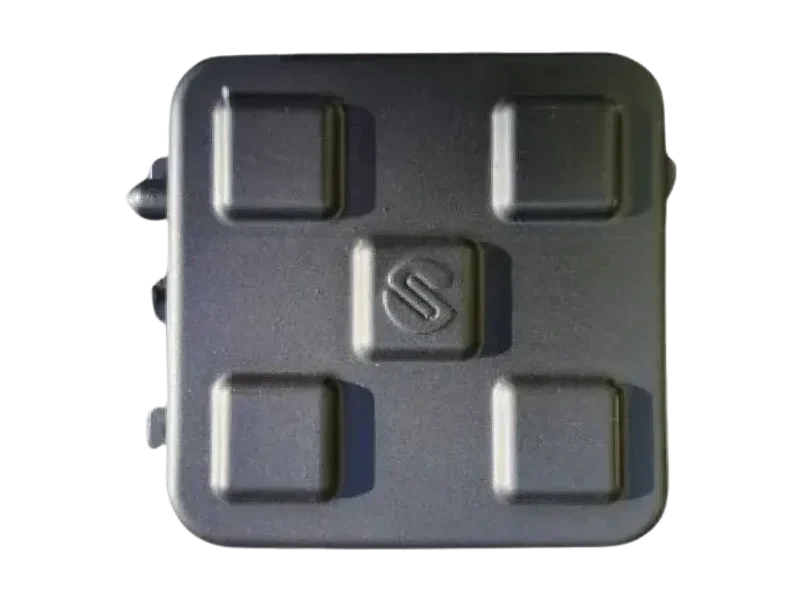
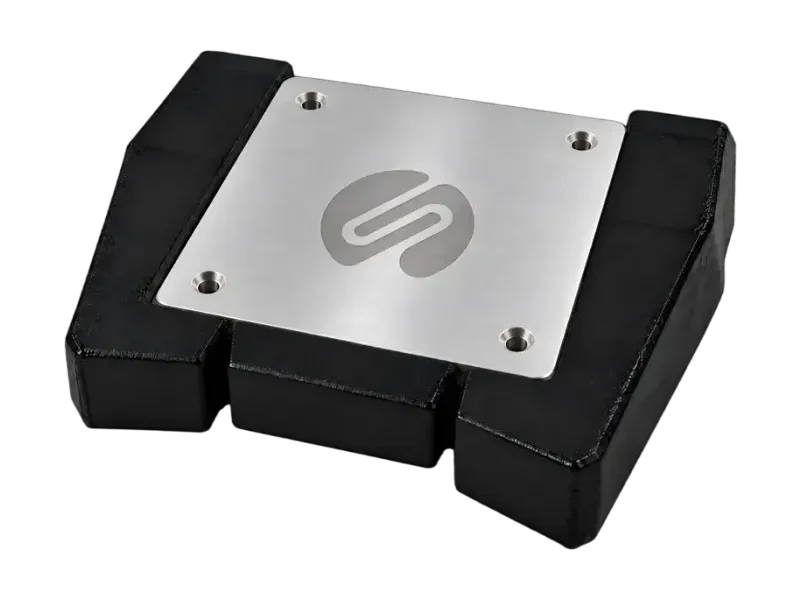
- Passive shielding: the SAJ GNSS Shield attenuates jamming and multipath arriving from 90° and below by 20–30 dB — useful because most ground jammers sit low on the horizon.
- Multi-band, multi-constellation reception so a single-band attack does not take out navigation completely.
- Fusion with inertial navigation and other sensors to bridge outages and flag inconsistent GNSS data.
Legal note
Operating a GPS jammer is illegal for civilians in most countries, including Türkiye. Testing of anti-jam systems is carried out by authorised organisations in controlled environments.
If your platform has lost GNSS in the field or must operate where jamming is expected, our engineers can help you select the right combination of CRPA, anti-spoofing and shielding.

Written by
Sağlamtek Engineering Team
RF, antenna & navigation engineering · Ankara
Articles on this blog are written by the engineers who design, test and build Sağlamtek’s anti-jam GNSS, RF, antenna and radar products at our R&D Center and manufacturing facility in Ankara.